in development · shaping v1 in the open
Numbers you candefend.
One app for logging a build to the minute and the dollar. Parts kept separate from tools. Logged hours kept separate from guesses. The data model refuses to blend them, so the numbers survive being questioned.
// not released. not in review. in development.
// the waitlist hears before the store does.
// the waitlist hears before the store does.
 UpLateGarage
build 001
UpLateGarage
build 001
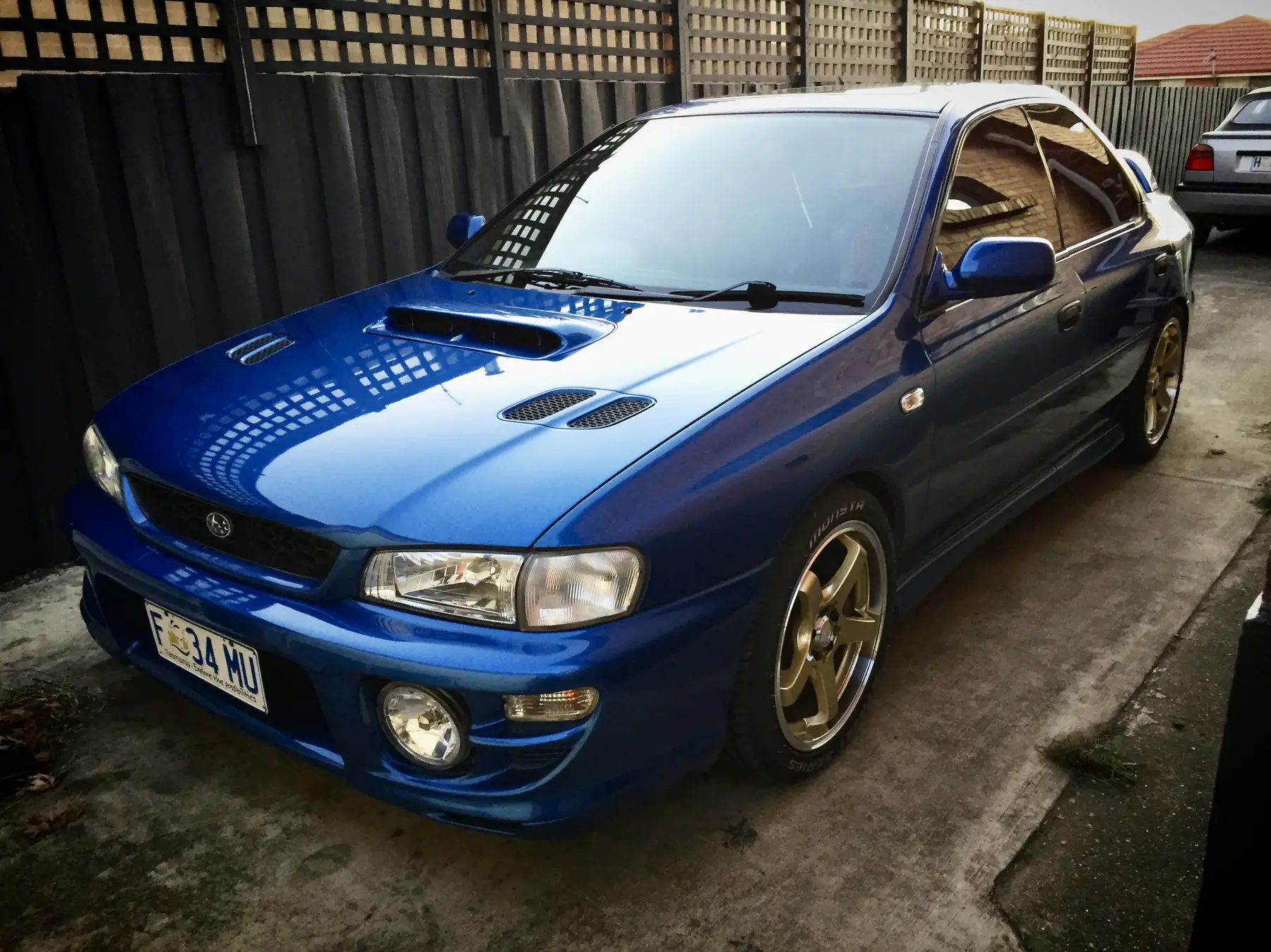
MY99 WRX
street build · 1998 impreza wrx · gc8
every number measured · nothing estimated · uplategarage.com
// the card, before any session. the stats appear when a session has closed — never before.
§ how it keeps count
Two clocks, three answers, nine areas
01
Two clocks, never one
Time at the car and time on the spanner. The difference — the walking, the looking, the coffee — gets counted, not rounded away.
02
Three money questions
Parts on the car, cost-in-car, total outlay. Three answers, never blended into one. Tools sit outside all three.
03
Nine areas, no tenth
Every minute and every part belongs to exactly one of nine systems. If a job fits none of them, the nine are wrong — not the job.
§ what it does
Three things, done honestly
01
Honest numbers
Parts cost, cost-in-car and total outlay tracked as three separate truths. Logged and estimated hours stored apart, always. The data model is built so a guess cannot masquerade as a measurement.
designed & specified
02
Hands-free timing
"Suspension, start." The timer runs while your hands stay on the spanner, attributing every minute to the system actually under them. No tapping a screen with greasy fingers.
in development
03
The build card
One shareable image: the car as the hero, parts cost and logged hours as the only numbers. Every figure is literally what the timer recorded.
designed & specified
§ the hard part
Talking to a phone with dirty hands
The whole idea falls over if logging costs more attention than the job does. A timer you have to unlock, find and tap is a timer you stop using by week three.
So the hard problem is voice: hearing a short command over a compressor, in a concrete room, from someone under a car. That is the part being built and tested now — and it is the reason there is no date on this page.
// recognition rates will be published here once
// they have been measured over a real run.
// they have been measured over a real run.
// a number on a marketing page that nobody
// measured is exactly what this app exists to stop.
// measured is exactly what this app exists to stop.